December 03, 2025
Radioactive Waste Disposal in the UK: What You Need to Know
Radioactive waste is one of the most sensitive and strictly controlled waste streams.
It is produced by many sectors, from hospitals using nuclear medicine, to research laboratories, universities and the nuclear energy industry. Because of the risks it carries, safe handling and disposal are essential to protect people and the environment.
This guide explains what radioactive waste is, the most common examples, how it is classified, and the processes involved in safe disposal.
We’ll also highlight the strict regulations that govern radioactive waste in the UK, and how Stericycle supports organisations that produce low-level radioactive waste, ensuring compliance and safety at every stage.
Let’s have a look at what radioactive waste is first:
What is Radioactive Waste?
Radioactive waste is any material that contains or becomes contaminated with radioactive substances at levels above what is considered safe. Because these materials can emit radiation, they must be handled, stored and disposed of with care to protect people and the environment.
In the UK, radioactive waste comes from several sectors. Hospitals produce it through treatments such as radiotherapy and nuclear medicine. Research laboratories, universities and the nuclear energy industry also generate waste, while even simple items like gloves, paper towels or tools used in controlled areas can become low-level radioactive waste.
The safe management of this waste is carefully regulated. The UK government provides detailed guidance on radioactive waste management, setting strict requirements to protect health, safety and the environment.
Examples of Radioactive Waste
Radioactive waste can take many forms, depending on the source and level of contamination. Some common examples include:
Contaminated protective clothing such as gloves, aprons and lab coats used in hospitals and laboratories
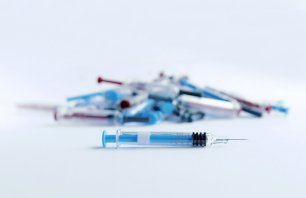
Syringes, vials and swabs used in nuclear medicine and radiotherapy treatments
Research isotopes and small-scale radioactive sources from universities and laboratories
By-products from nuclear power generation such as filters, resins and reactor components
- Everyday consumables like paper towels, wipes, and tools that have been exposed to radioactive materials
Radioactive waste is divided into categories based on how hazardous it is and the type of treatment or disposal it requires. In the UK, the main classifications are:
Low-Level Waste (LLW)
This includes lightly contaminated items such as gloves, syringes, paper towels and lab equipment. It is the most common type of radioactive waste and is usually compacted, packaged and sent to licensed disposal sites.
Intermediate-Level Waste (ILW)
ILW contains higher concentrations of radioactive material, including filters, resins and some reactor components. It requires shielding during handling and is stored safely for the long term until disposal routes are available.
High-Level Waste (HLW)
This is the most radioactive category, often produced from nuclear fuel reprocessing. HLW gives off significant heat and radiation, so it requires specialised cooling systems, secure containment and eventually geological disposal in deep underground facilities.
Stericycle and Low-Level Radioactive Waste
Stericycle focuses exclusively on the collection, transport and disposal of Low-Level Radioactive Waste (LLW).
This includes items commonly produced in hospitals, laboratories and research facilities.
By specialising in LLW, Stericycle helps organisations manage radioactive waste safely and in full compliance with UK regulations. The service includes:
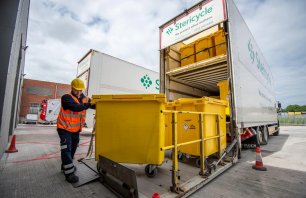
Supply of UN-approved, shielded containers for safe storage and transport
Licensed nationwide collection and logistics network
Disposal through authorised treatment and disposal facilities
Full documentation and traceability for regulatory compliance
This focused approach ensures clients receive a reliable, compliant and environmentally responsible solution tailored to their specific waste needs.
The Process of Radioactive Waste Disposal in the UK
Radioactive waste disposal follows a carefully regulated process to ensure safety and compliance.
The key steps include:
1. Containment and Packaging
Waste is first secured in UN-approved, sealed units that prevent radiation exposure and environmental release.
How Stericycle helps: Stericycle supplies and manages containers designed to meet UK safety standards, ensuring waste is packaged correctly from the start.
2. Licensed Transport
Once safely packaged, the waste is transported by licensed carriers. Vehicles are specially designed and monitored to ensure secure movement, with full tracking and auditing in place.
How Stericycle helps: With a nationwide fleet of licensed vehicles, Stericycle provides compliant transport and full chain-of-custody tracking for complete peace of mind.
3. Treatment and Disposal
Depending on the classification, waste may be compacted, incinerated or stored in engineered facilities.
How Stericycle helps: Stericycle provides treatment and disposal sites across the UK, giving organisations a compliant route for every waste type.
Regulations & Compliance
Radioactive waste is one of the most heavily regulated waste streams. Strict rules are in place to ensure it is handled, stored, transported and disposed of safely. The main regulatory bodies include:
Environment Agency (EA): Oversees radioactive substances regulation in England.
Health and Safety Executive (HSE): Ensures workplace safety when handling radioactive materials.
Office for Nuclear Regulation (ONR): Regulates nuclear industry activities, including waste management.
Scottish Environment Protection Agency (SEPA): Regulates radioactive substances in Scotland.
Organisations producing radioactive waste must comply with permits and follow approved disposal routes. Non-compliance can result in significant penalties, reputational damage and environmental harm.
For a wider perspective, the World Nuclear Association outlines how radioactive waste storage and disposal is managed globally. This shows how UK regulations are part of a broader international framework designed to protect public health and the environment.
Safe & Reliable Radioactive Waste Disposal Solutions
Safe and compliant radioactive waste disposal is essential to protect people, the environment and an organisation’s reputation. With strict UK regulations in place, working with an experienced and licensed provider is the most reliable way to ensure every stage of the process is managed correctly.
Stericycle specialises in the safe collection, transport and disposal of Low-Level Radioactive Waste (LLW) for healthcare, research and educational facilities across the UK. From providing approved containers and licensed transport to partnering with authorised treatment facilities, every step is secure, auditable and fully compliant.
Get in touch with Stericycle today to discuss your Low-Level Radioactive Waste disposal needs and ensure your organisation remains fully compliant with UK regulations.