February 08, 2023
Safe flu vaccine disposal during the flu season and beyond
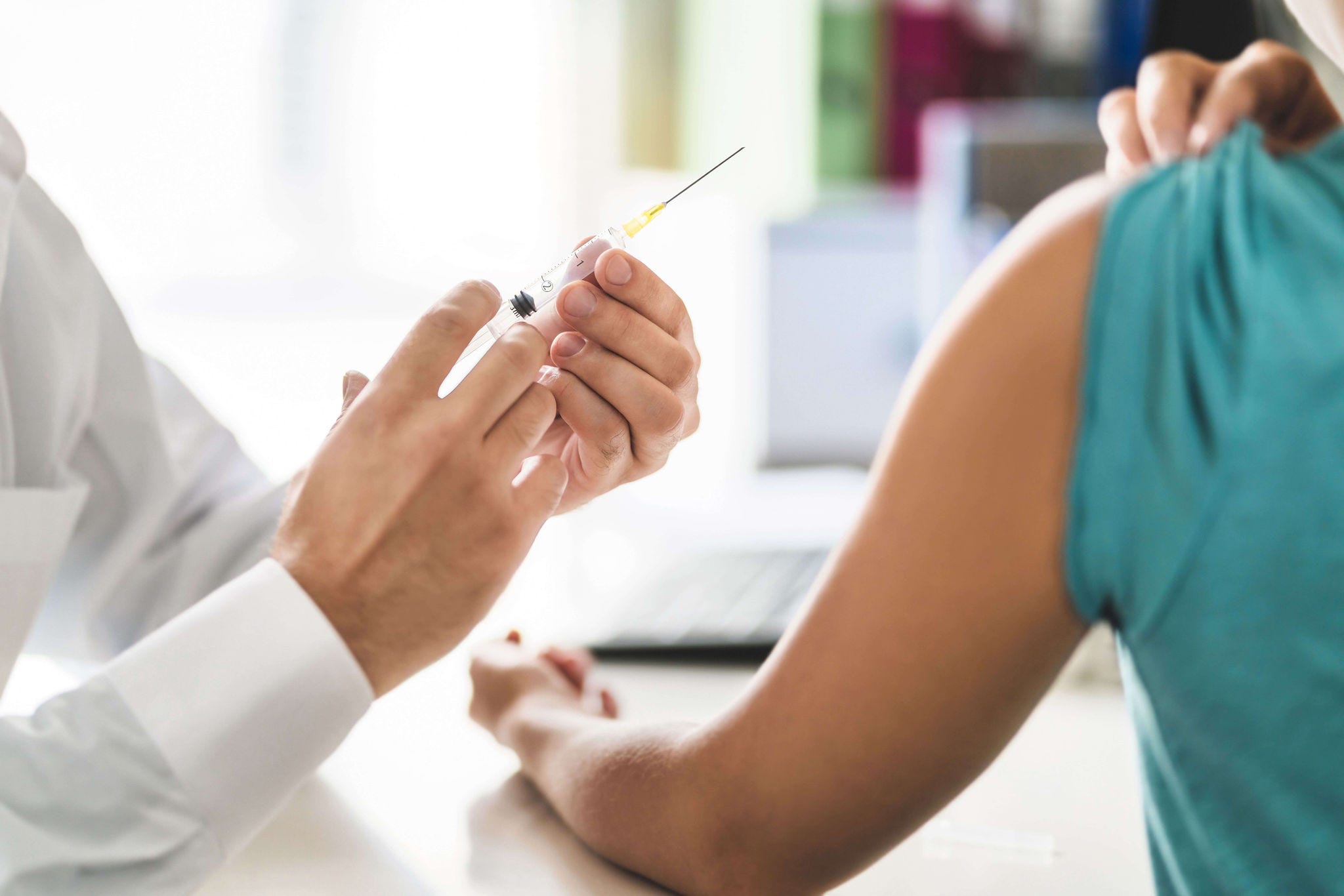
While many of us are starting to look forward to spring, we still have February to get through and alongside the cold winter snaps, we’re still finding ourselves in the middle of this year’s flu season. With the potential risk of infection still high, a main healthcare priority remains protection against flu, including vaccination.
Although you can catch flu all year round, the ‘flu season’ is when influenza viruses are most common. In the northern hemisphere, this is during October to March - with a peak usually in February.
But with flu cases surging, excess deaths in England and Wales rising and late-season activity measured during the 2021-2022 season, healthcare settings may be managing an increasing volume of medical waste for at least the next few months – and need to understand the legislation for safe flu vaccine disposal, as well as safe needle disposal and compliant vaccine waste management.
Understanding flu symptoms
Flu (influenza) is a contagious, viral illness that spreads through the air when infected people cough or sneeze. Common symptoms of flu include a fever, chills, headache, aching muscles and extreme tiredness. You may also have a dry cough, sore throat and stuffy nose.
Most people get better within a week but for some, flu viruses can lead to severe illness that results in hospitalisation or can even be life threatening. So it’s great to know that so far this year, more than 20 million people in England have had their flu jabs. That’s huge credit to healthcare professionals in England and right across the UK.
So how can healthcare organisations ensure safe flu vaccine disposal and safe needle disposal?
How to manage safe flu vaccine disposal
Pharmacies, general practices and hospitals alike recognise that an annual immunisation is a safe and effective way to help protect ourselves against the prevalent flu viruses that are circulating during the year.
This is because the flu jab for at-risk groups and healthy children (through the NHS) and appropriate adults (through private practice), not only provides protection against flu but can help reduce transmission and the burden of flu across the UK.
Given the high number of people getting flu shots, it’s important for healthcare organisations to have safe flu vaccine disposal processes, including safe needle disposal, in place for the large volume of used needles. This lowers the likelihood of inadvertent needlesticks injuries, which not only prevents the transmission of pathogens but can also help keep staff safe.
Best practices for safe needle disposal
Educate staff on your vaccine needle disposal policy
Train your staff on how to dispose of contaminated needles correctly including how to use sharps containers and the risks of not following procedure. As part of this training, you should also emphasise the importance of good hand hygiene and proper use of PPE as additional ways to prevent the transmission of pathogens.
Use puncture-resistant, leak-proof containers
Throughout patient care areas – make sure containers are easily accessible for staff at the point of patient care. They must be clearly labelled and designed to hold contaminated sharps securely until they leave the facility for safe flu vaccine disposal. In addition, provide staff with containers that have a safe as well as convenient design, for example a vertical drop lid that requires no manual intervention to insert the sharps.
Using the correct sharps containers is an essential part of safe needle disposal and helps maintain compliant vaccine disposal practices.
Establish a reliable process for sharps container removal
Without a procedure for replacing sharps containers, they can exceed the fill-line, putting staff at risk. Choose a service provider who can help you manage your pharmacy waste disposal and hospital waste management streams compliantly and with containers that have a clear fill level and space to prevent overflow. This will help make sure that a safe container is always available, especially during high-volume vaccination periods, supporting safe flu vaccine disposal across your organisation.
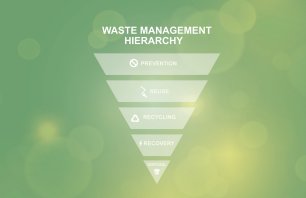
Reduce, reuse, recycle
NHS England has set a target to reduce clinical single-use plastics in the short term by 10 per cent. Reusable sharps containers offer a range of benefits over single-use containers. They are designed to minimise employee and patient exposure to bloodborne pathogens from needlestick injuries while significantly reducing single-use plastics and bulky packaging that could otherwise end-up going to landfill – it’s a safe and sustainable solution.
Reusable sharps containers also support safer needle disposal while helping healthcare organisations achieve their sustainability goals.
Keeping flu vaccination programmes safe and compliant
Failing to prevent needlestick injuries could mean that you find yourself in breach of legislation for safe flu vaccine disposal, sharps and needles. Stericycle can help make sure that your organisation’s safe flu vaccine disposal and safe needle disposal processes remain safe, compliant and efficient.
Looking for a quick guide on what sharps go in which coloured container? Here is a poster you can print-off and use within your organisation.
Get in touch. Call us on 0333 258 0987 to learn more about Stericycle’s Sharps Management Services and how it can streamline your sharps collection and waste disposal, supporting safe flu vaccine disposal, safe needle disposal and helping you protect your staff, increase efficiencies and reduce your carbon footprint.