August 11, 2026
Why sustainability is so important in dental waste management
When it comes to the management of dental waste, two priorities have always been top of the list: safety and compliance. Today, dental practices have another increasingly important consideration to factor in: sustainability.
All UK businesses are being called upon to contribute towards national climate change goals set out in legislation. With the NHS also targeting net zero by 2040, and rising staff and patient awareness of sustainability issues, dentists can no longer afford to ignore their environmental responsibilities.
Today, sustainability in dental waste management is becoming a key priority for dental practices looking to reduce their environmental impact while maintaining the highest standards of safety and compliance.
So what steps can dental practices be taking to implement waste management and sharps disposal processes that are sustainable as well as safe and compliant?
Choosing sustainable waste containers for dental practices
Dental practices have historically had little option but to use single-use bags and sharps containers made from virgin plastic to collect medical waste. Thankfully, innovative solutions are now available which can safely and effectively reduce plastic waste.
Using containers manufactured with recycled materials is one practical way of improving sustainability in dental waste management while reducing reliance on virgin plastics.
For example, our new earth-conscious containers feature:
It means that dental practices can start to demonstrate that they take sustainability seriously and are supporting a circular economy, while maintaining the highest levels of compliance and safety.
Meeting environmental regulations through sustainable dental waste management
Achieving ISO 14001 certification – the safety standard for environmental management systems – is one of the best ways dental practices can show they are mitigating their impact on the environment, and doing so safely.
The rigorous process of getting certified can take up to two years and requires in-depth auditing of the applicant's waste management system to make sure it meets the standards required.
Once certified, the standard requires ongoing assessment and continual improvement, with certificate holders required to demonstrate compliance with current and future regulatory requirements.
Environmental certifications such as ISO 14001 also support sustainability in dental waste management by helping practices continuously improve their environmental performance.
It can feel like a complex task for busy dental practices, so choosing to work with a specialist waste management services provider can make all the difference.
At Stericycle, our in-depth understanding of regulatory compliance enables us to support our customers through the ISO14001 certification process and beyond. Our sustainable solutions and consultative approach can help dental practices reach the environmental objectives and targets required to achieve, and retain, certification.
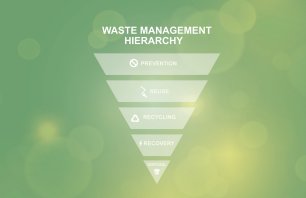
We can also provide guidance on adhering to section 4 of the Centre for Sustainable Healthcare (CSH) Sustainable Dentistry How-to Guide: Waste, as endorsed and contributed to by the British Dental Association (BDA). Section 4 details how dental practices can achieve a “reduce-reuse-recycle” system in the surgery, reception, waiting room and staff areas to help minimise waste and divert it from landfill - ultimately saving dental practices money and reducing their carbon emissions. The best practice measures detailed in the guide cover improving segregation, introducing recycling, and repairing and reusing durable goods.
Effective waste segregation for more sustainable dental waste management
When waste is properly segregated it can be treated compliantly and in the most sustainable way. Methods such as alternative treatment and cold shredding help divert a greater volume of waste away from landfill and limit potential harm to the environment - resources are protected and carbon savings are made.
Correct waste segregation is one of the most effective ways to support sustainability in dental waste management, helping reduce landfill waste and improve recycling opportunities.
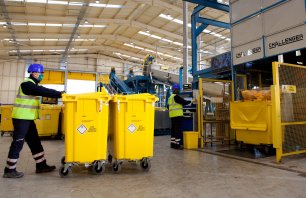
Segregation begins with your frontline staff, so providing them with the right tools and training is essential. It’s why we supply our customers with the information, containers and downloadable resources they need to follow the Department of Health's colour coded healthcare waste segregation system.
Our specialist amalgam containers and lead disposal systems help them reduce the risks posed by these particularly harmful waste materials, and once waste is removed from site we can guarantee that it will be correctly and carefully treated and disposed of, with tracking available at every step.
The benefits of improving sustainability in dental waste management
With increasing environmental awareness among the public and more stringent regulations and targets to meet, dental practices are putting more focus on their environmental responsibilities than ever before. It’s helping them to build customer trust, attract and retain employees, stay compliant and play their part on the path to net zero.
At Stericycle, we know sustainability should never come at the expense of safety. That’s why we take a no-compromise approach.
From providing greener alternatives for the waste collection and storage products staff use every day, to making waste disposal services simple and accessible, our solutions prioritise patient care and safety standards as well as the environment. And we’ll continue to innovate to provide compliant, convenient and cost-effective solutions to support busy dental practices. After all, protecting the environment is one of our core values here at Stericycle - and we want to help our customers make it one of theirs too.
Talk to our specialist team today to learn how Stericycle can help your practice improve sustainability in dental waste management while maintaining compliance, protecting staff and supporting environmental goals.