March 30, 2023
The
important benefits of healthcare waste segregation
David Williams, Stericycle’s Permit Compliance & Regulatory Affairs Director explains why waste management should never be a box-ticking exercise.
If you’re a healthcare service provider; whether that’s in a hospital setting, GP surgery, clinic, care home, dental practice or even in a veterinary practice, it’s important to know about different waste streams and the regulations surrounding them.
Effective healthcare waste segregation is one of the most important aspects of healthcare waste management. From improving compliance and protecting staff to supporting sustainability goals and reducing costs, the way healthcare organisations segregate waste has a direct impact on operational efficiency and environmental performance.
Why? Well, a large proportion of the waste you produce will probably be classified as ‘clinical waste’. Failing to dispose of that waste correctly could not only mean substantial fines for your business, it could also mean irreparable damage to your reputation and the risk of injury to your staff, patients and service users.
For NHS service providers, the responsibility is reinforced by the NHS clinical waste strategy, published on 7 March 2023, which highlights the need for best waste management practices that reduce waste, improve compliance and provide cost savings.
At Stericycle, we never treat waste disposal processes as a box-ticking exercise. We know that disposing of healthcare waste safely and responsibly has far-reaching benefits for our customers, the communities they serve and the planet we all share. We also know that ensuring the most appropriate treatment and disposal begins with proper waste segregation.
Why is segregation of healthcare waste so important and how to make it easier for your staff to get it right.
Healthcare waste segregation is essential because it ensures that different waste streams are handled, treated and disposed of appropriately. Correct segregation reduces the risk of contamination, protects staff and patients, supports regulatory compliance and helps healthcare organisations manage waste more sustainably.
It also enables healthcare providers to reduce unnecessary specialist treatment, improve recycling rates and contribute to NHS sustainability and net zero ambitions.
First, let’s consider the types of waste we’re talking about.
Types of healthcare waste and medical waste segregation
Healthcare organisations generate a wide range of waste streams, and understanding the different types of healthcare waste is essential for maintaining compliance and protecting both people and the environment.
The term ‘clinical waste’ refers not only to needles, syringes and other sharps waste but to any waste produced by a healthcare activity that could have infectious properties or contain hazardous chemicals or substances.
Healthcare waste also includes:
Effective medical waste segregation ensures that each waste stream is identified, separated and disposed of correctly according to current legislation and best practice guidelines.
Clear medical waste segregation procedures help staff understand how to separate infectious, offensive, sharps, pharmaceutical and recyclable waste streams correctly. This supports compliance while helping healthcare facilities avoid sending waste for unnecessary specialist treatment.
Compliant waste disposal can be complicated
It’s possible to break down healthcare waste into seven different categories and each category has a different set of rules for storage, labelling, disposal and destruction.
The duty of care for waste requires waste producers to keep their waste safe, ensure it is managed responsibly and transfer it only to authorised businesses for disposal or recovery.
Additional regulations govern how healthcare waste can be transported and treated safely.
Because healthcare waste regulations are complex, healthcare waste segregation at the point of care is essential. Segregating waste correctly at source helps ensure that each waste stream enters the appropriate treatment pathway, reduces contamination risks and improves operational efficiency across healthcare facilities.
Supporting your staff with waste segregation
Getting waste segregation right begins with your frontline staff, so providing them with the right tools and information is invaluable.
Well-labelled, colour-coded containers and straightforward guidance on which waste belongs in which stream can help staff make the right decisions quickly and confidently.
However, providing information once is rarely enough. Ongoing waste management education is essential to help employees remain confident in identifying waste streams, understanding regulations and applying best practice consistently in their daily roles.
Waste management education
A structured waste management education programme helps staff understand the importance of healthcare waste segregation, recognise different types of healthcare waste and apply the correct disposal procedures every day.
Training should combine online learning, practical guidance, refresher sessions and accessible educational resources that staff can refer to whenever needed.
Continuous education and awareness programmes can improve compliance levels, reduce contamination between waste streams and ensure healthcare organisations maintain the highest standards of waste management.
Healthcare waste segregation signs and posters
Clear signage, colour-coded containers and healthcare waste segregation posters can reinforce training and help staff segregate waste correctly at the point of disposal.
Regular reminders and visual guidance can significantly improve compliance and reduce errors when handling different types of healthcare waste.
Healthcare Waste Segregation Best Practices
Fundamental to sustainable healthcare waste management is effective healthcare waste segregation at the point of disposal.
Healthcare waste segregation at source helps ensure that each waste stream is placed in the correct container, reducing contamination, improving compliance and supporting safer waste handling across healthcare settings.
Best practice includes:
Segregating waste at source
Using the correct colour-coded containers
Providing regular staff training
Monitoring compliance performance
Using healthcare waste segregation signs and posters
Reviewing procedures regularly
By implementing these best practices, healthcare providers can improve efficiency, reduce costs and support safer, more sustainable waste management processes.
Healthcare waste segregation for recycling and recovery
When healthcare waste segregation is carried out correctly, more materials can be directed towards appropriate recycling and recovery routes, helping to reduce environmental impact and unnecessary disposal costs.
Materials that do not require specialist treatment may be suitable for recycling or recovery, enabling healthcare organisations to divert more waste away from landfill and incineration.
Improving recycling and recovery rates not only reduces carbon emissions but also supports NHS sustainability goals and contributes towards achieving net zero ambitions.
The benefits of effective waste segregation processes
Healthcare waste segregation delivers a range of important benefits beyond compliance.
1. Improved sustainability
Arguably the most important benefit of waste segregation is that it helps healthcare providers operate more sustainably.
When waste is properly segregated, it becomes possible to distinguish what can be recycled from what cannot, meaning greater volumes of waste are directed away from landfill, resources are protected, and carbon savings can be made.
Sustainably treated, single use devices can often be sterilised and prepared for re-use, rather than incinerated, and plastics, glass, paper and metal from sharps and medical instruments, can be separated from other waste and recycled.
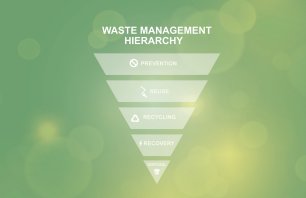
Reduce, reuse, recycle is a concept entrenched within every green organisation. It’s of particular importance for NHS service providers, who have specific NHS England net zero targets to reach and the NHS clinical waste strategy to consider, but every healthcare provider should understand the importance of disposing of different waste types according to the hazard it presents to the environment. We all have a role in making net zero achievable.
To help our customers play their part, we’ve introduced tailored carbon footprint reporting.
The reporting tool can be accessed by regular service customers through their account manager. The results show a customer’s proportion of Stericycle’s Scope 1, 2, and 3 greenhouse gas emissions from managing clinical waste, which in turn helps them to estimate Scope 3 emissions under the category ‘waste generated in operations’ - these are the indirect emissions from waste management services provided to customers, that they are indirectly responsible for within their value chain.
2. Better health and safety
Of course, sustainability should never come at the cost of safety - and effective segregation of waste also delivers important benefits for workplace health and safety.
With the correct waste type disposed of in the right containers, needlestick injuries can be reduced, the risk of dangerous infections and diseases can be better controlled and staff and patients are protected from coming into contact with hazardous substances that could cause them harm. It also means that everyone who handles the waste once it leaves your site is protected. And with correctly segregated waste reaching the most appropriate place for treatment and disposal, we all have an opportunity to protect our communities by protecting land and waterways from potential contamination too.
3. Significant cost savings
With the capability to deliver such important environmental and safety benefits, it’s good to know that waste segregation can also provide significant cost savings.
The NHS clinical waste strategy draws attention to this when outlining the reasons for implementing 100% segregation of waste as a strategic priority. It explains that this ‘low cost, high impact intervention’ can provide significant financial benefit by reducing waste volumes and enabling more cost-efficient management of clinical waste. When you combine this boost for your bottom line with the other benefits of effective waste segregation, it simply makes good commercial sense to get it right.
You segregate - we collect - we treat and dispose
If your organisation needs support with healthcare waste segregation, medical waste segregation or clinical waste disposal, Stericycle can help.
We work with healthcare providers across the UK to improve compliance, deliver waste management education and develop effective healthcare waste management strategies tailored to their needs.
If you would like to discover how your organisation can make segregation of waste easier, why not get in touch today to talk through your requirements. We’re here to help.