March 23, 2026
Hazardous Waste Disposal: A Step-by-Step Guide
Hazardous materials cannot be disposed of through general waste services and must follow a controlled, legally compliant process to protect people, the environment, and ensure regulatory compliance.
This guide explains how hazardous waste should be disposed of, step by step, from identification and segregation through to treatment and final disposal. It provides a clear overview of the disposal process and how working with a specialist provider can help businesses manage hazardous waste safely and responsibly.
How to Dispose of Hazardous Waste
Hazardous waste disposal is a controlled process that ensures hazardous materials are treated or destroyed safely and in line with UK regulations. Businesses are not permitted to dispose of hazardous waste through general waste services, as this can pose serious risks to people, property, and the environment.
To dispose of hazardous waste correctly, businesses must first identify and separate it from other waste streams, store it securely, and arrange collection by a licensed waste carrier. The waste is then taken to an authorised facility, where it is treated or disposed of using approved methods such as incineration or specialist treatment.
Following the correct disposal process helps businesses stay compliant, reduce risk, and ensure hazardous waste is handled safely from collection through to final disposal.
The hazardous waste disposal process begins with correctly identifying and classifying the waste:
Step 1 - Identify and Classify the Waste
Before hazardous waste can be disposed of, it must be correctly identified and classified. In the UK, waste is classed as hazardous if it contains substances that pose a risk to human health or the environment, such as being toxic, flammable, corrosive, or infectious.
Classification is not based on the type of business, but on the waste itself. This means materials such as chemicals, oils, solvents, batteries, or contaminated items may be hazardous depending on their composition and how they are used. Some waste streams may appear low risk but still require specialist disposal due to the substances they contain.
Correct classification is critical, as it determines how the waste must be stored, transported, and treated. Misclassifying hazardous waste can result in incorrect disposal, legal non-compliance, and enforcement action. Where there is any uncertainty, businesses should seek guidance or work with a specialist provider to ensure hazardous waste is identified and classified accurately before disposal.
The next step is to segregate hazardous waste from non-hazardous material:
Step 2 - Segregate Hazardous Waste
Once hazardous waste has been identified and classified, it must be kept separate from non-hazardous waste and other waste streams. Mixing hazardous and non-hazardous waste can increase risk, complicate disposal, and result in non-compliance.
Hazardous waste should be placed in approved, UN-rated containers or bags that are suitable for the specific type of waste being stored.
Containers must be clearly labelled, leak-proof, and designed to prevent spills, exposure, or contamination. Some hazardous waste streams may also need to be separated from each other, depending on their properties.
Correct segregation using the right containers supports safe handling, simplifies collection by licensed waste carriers, and ensures hazardous waste can be disposed of correctly.
Step 3 - Store Hazardous Waste Securely Before Collection
Once hazardous waste has been segregated, it must be stored safely until it is collected for disposal. Secure storage helps prevent leaks, exposure, and environmental contamination while ensuring compliance.
When storing hazardous waste, businesses should:
Keep waste in approved, clearly labelled containers
Store containers in a secure, designated area
Ensure containers are sealed and in good condition
Keep waste away from drains, heat sources, and high-traffic areas
Prevent unauthorised access or accidental handling
Safe storage reduces the risk of incidents on site and ensures hazardous waste is ready for collection by a licensed waste carrier. Once hazardous waste has been stored safely, the next step is to arrange collection by a licensed waste carrier.
Step 4 - Arrange Collection by a Licensed Carrier
Hazardous waste must be collected by a licensed hazardous waste carrier. Businesses are not permitted to transport or dispose of hazardous waste themselves, even in small quantities. Using a licensed carrier helps ensure hazardous waste is handled safely and taken to an authorised treatment or disposal facility.
When arranging collection, businesses should ensure:
The carrier is appropriately licensed
A hazardous waste consignment note is completed
Collection details and documentation are retained for compliance records
The provider operates in line with recognised quality and environmental standards, such as ISO 9001:2015 and ISO 14001:2015
Although a carrier manages collection and transport, responsibility for the hazardous waste remains with the business until it has been safely and legally disposed of. Specialist providers such as Stericycle operate in line with recognised standards, helping businesses maintain compliance while ensuring full traceability from collection through to final disposal.
Step 5 - Treatment and Final Disposal
Once collected, hazardous waste is taken to an authorised treatment facility where it is processed using approved disposal methods. The method used depends on the type of waste and its associated risks, and is designed to ensure hazardous substances are dealt with safely and compliantly.
The two main hazardous waste disposal methods are:
1. Incineration
Used for waste that requires complete destruction. High-temperature incineration breaks down hazardous substances, reducing risk to people and the environment.

2. Alternative Treatment
Used for waste that can be treated to neutralise or reduce its hazardous properties. This may include chemical or physical treatment methods, depending on the waste type.
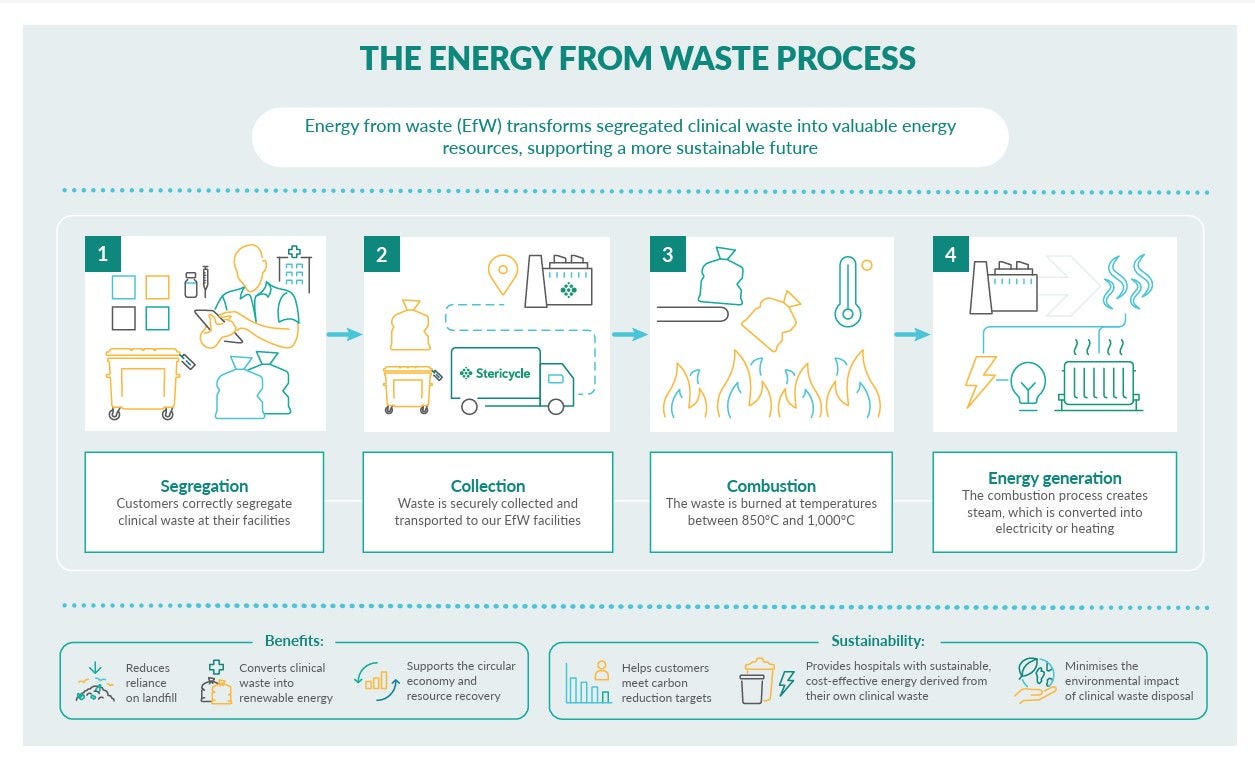
All hazardous waste disposal is fully documented to ensure traceability and demonstrate compliance with UK regulations, giving businesses confidence that their waste has been treated or disposed of correctly.
How Stericycle Can Help with Hazardous Waste Disposal
Stericycle supports businesses safe, compliant hazardous waste disposal services. From supplying approved containers and arranging licensed collection to treatment through incineration or alternative methods, Stericycle helps ensure hazardous waste is disposed of correctly at every stage.
Working with an experienced provider gives businesses confidence that hazardous waste is handled in line with regulations, supported by full documentation and recognised standards such as ISO 9001:2015 and ISO 14001:2015.
Need Support with Hazardous Waste?
If your business produces hazardous waste and needs a compliant disposal solution, we can help. Speak to the team to understand the right disposal approach for your waste streams and ensure hazardous waste is managed safely and responsibly.