Hazardous waste management is a critical responsibility for businesses. From chemicals and oils to healthcare and industrial waste, hazardous materials must be handled, stored, and disposed of correctly to protect people, the environment, and ensure legal compliance.
This guide explains what hazardous waste is, how it is managed, and what businesses need to do to stay compliant with UK regulations. It covers common examples of hazardous waste, disposal responsibilities, penalties for non-compliance, and best practices to help organisations manage hazardous waste safely and responsibly.
Whether you produce hazardous waste regularly or only in small quantities, understanding your obligations is essential. This guide provides a clear, practical overview to help businesses navigate hazardous waste management with confidence.
Before looking at how hazardous waste is managed and disposed of, it is important to understand what hazardous waste actually is and why it requires specialist handling:
What Is Hazardous Waste?
Hazardous waste is any waste that poses a risk to human health or the environment due to its chemical, physical, or biological properties.
In the UK, waste is classed as hazardous if it is toxic, corrosive, flammable, reactive, infectious, or environmentally harmful. Because of these risks, hazardous waste must be handled and disposed of separately from general waste and in line with strict legal requirements.
Hazardous Waste vs Non-Hazardous Waste
Category
Risk level
Typical properties
Handling requirements
Storage
Disposal
Legal controls
Hazardous Waste
Poses a risk to human health or the environment
Toxic/corrosive/flammable/reactive/infectious
Requires specialist handling and controls
Must be stored in approved and labelled containers
Must be disposed of by licensed providers
Subject to strict UK regulations
Non-Hazardous Waste
Low risk to people and the environment
Stable/non-toxic/non-reactive
Standard handling procedures
Can be stored in general waste containers
Can be disposed of through general waste services
Fewer regulatory requirements
Examples of Hazardous Waste
Hazardous waste includes a wide range of materials that are classed as hazardous due to their chemical, physical, or biological properties. In the UK, waste may be considered hazardous based on its composition, how it is used, or if it contains substances that pose a risk to health or the environment.
Common examples of hazardous waste include:
Chemicals, solvents, and cleaning agents
Oils, fuels, and lubricants
Batteries and electrical components
Paints, aerosols, and adhesives
Asbestos-containing materials
Pharmaceuticals and medical waste
Contaminated sharps and clinical materials
Because hazardous waste poses a higher level of risk than general waste, it cannot be handled or disposed of in the same way. Once hazardous waste has been identified and classified, it must follow a controlled process to ensure it is managed safely, legally, and responsibly from the point it is produced through to final disposal.
How Is Hazardous Waste Managed?
Hazardous waste management follows a controlled process to reduce risk and ensure complianceThis process covers how waste is handled from the point it is produced through to final disposal.
1. Segregation and Safe Storage
Hazardous waste must be separated from other waste streams and stored in approved, clearly labelled containers. Correct segregation helps prevent contamination, leaks, and accidental exposure, while ensuring waste can be handled safely later in the process.
2. Collection and Transport
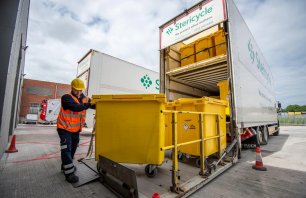
Once ready for removal, hazardous waste must be collected by licensed waste carriers. This ensures waste is transported safely and in line with legal requirements to authorised treatment or disposal facilities.
3. Treatment and Disposal
Hazardous waste is treated or disposed of using specialist methods such as incineration, chemical treatment, or controlled landfill, depending on the type of waste. Some waste streams may be recovered or recycled where this can be done safely and compliantly.
Specialist providers such as Stericycle support businesses across each stage of hazardous waste management, helping ensure waste is handled safely, traceably, and in line with UK legislation.
Hazardous Waste Regulations in the UK
Hazardous waste is regulated to ensure it is handled, transported, and disposed of safely, with minimal risk to people and the environment. Any business that produces hazardous waste has a legal responsibility to manage it correctly and in line with current regulations.
Key requirements include correctly classifying hazardous waste, storing it safely, using licensed waste carriers, and ensuring it is taken to authorised treatment or disposal facilities. Businesses must also keep appropriate documentation to demonstrate compliance and meet their Duty of Care obligations.
UK hazardous waste legislation can be complex and is subject to change. For a more detailed breakdown of the regulations, legal responsibilities, and documentation requirements, see Stericycle’s guide to hazardous waste regulations in the UK, which explores this topic in more depth.
Hazardous Waste Responsibilities & Penalties
Who Is Responsible for Hazardous Waste?
The business or organisation that produces hazardous waste is responsible for managing it correctly. This responsibility applies regardless of business size and continues until the waste has been safely and legally disposed of.
What Are the Penalties for Incorrect Disposal?
Failing to manage hazardous waste correctly can result in fines, enforcement action, or prosecution. Penalties may apply if hazardous waste is misclassified, stored incorrectly, transferred to unlicensed carriers, or disposed of illegally.
What Happens If Hazardous Waste Is Handled Improperly?
Improper handling of hazardous waste can lead to environmental damage, health and safety risks, and reputational harm. It can also trigger inspections and enforcement action from regulators.
How Can Businesses Reduce Risk?
Businesses can reduce risk by correctly classifying waste, keeping proper documentation, using licensed waste carriers, and working with experienced providers such as Stericycle to ensure hazardous waste is managed safely and compliantly.
How Stericycle Supports Hazardous Waste Disposal
Stericycle supports businesses across the UK with safe, compliant, and reliable hazardous waste disposal services. From correct segregation and secure storage through to licensed collection, treatment, and disposal, Stericycle helps ensure hazardous waste is managed responsibly at every stage.
Need Support Managing Hazardous Waste?
If your business produces hazardous waste and needs a compliant, reliable solution, Stericycle can help. Speak to the team to understand the right approach for your waste streams and ensure hazardous waste is managed safely and in line with regulations
Hazardous waste is any waste that poses a risk to human health or the environment due to its chemical, physical, or biological properties, such as being toxic, flammable, corrosive, or infectious.
In the UK, waste is classed as hazardous if it contains substances that can cause harm to people or the environment. Classification depends on the waste’s composition, how it is used, and whether it displays hazardous properties.
Yes. Even small businesses can produce hazardous waste, such as batteries, chemicals, oils, cleaning products, or electrical equipment. The same legal responsibilities apply regardless of business size.
Hazardous waste must be separated from other waste, stored safely, and collected by a licensed waste carrier. It must then be taken to an authorised treatment or disposal facility.
Incorrect disposal can result in fines, enforcement action, or prosecution. It can also cause environmental damage and health and safety risks.
Businesses can stay compliant by correctly classifying hazardous waste, keeping proper documentation, using licensed providers, and working with experienced specialists such as Stericycle.