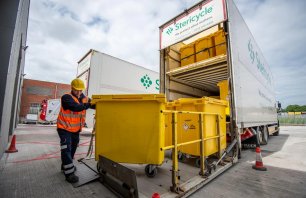
GP surgeries can produce sharps, infectious waste, pharmaceutical waste, offensive waste, chemical waste and general recyclable materials. The exact waste streams will depend on the treatments and services provided by the practice.


November 11, 2026
How to Manage Waste in GP Surgeries
GP surgeries generate several different types of waste every day, including sharps, infectious materials, medicines, packaging and general waste. Managing these correctly is essential for protecting staff and patients, meeting duty of care responsibilities and ensuring each waste stream follows the right disposal route.
This guide explains the main waste types found in GP practices, the key steps for managing them safely, how the waste hierarchy applies and the common mistakes to avoid.
Before looking at the different waste streams and how to manage them, it helps to understand why effective waste management matters in a GP surgery in the first place
Why Is Waste Management Important in GP Surgeries?
GP surgeries generate a range of waste every day, including sharps, infectious materials, medicines, PPE and general waste. Managing these waste streams correctly is important for protecting staff, patients and visitors while helping the practice meet its legal and environmental responsibilities.
Good GP waste management also makes day-to-day operations safer and more efficient. When waste is identified, segregated and stored correctly from the outset, it reduces the risk of needlestick injuries, cross-contamination and incorrect disposal.
Key Point
Effective GP waste management starts with identifying waste correctly and keeping different waste streams separate from the point they are produced.
What Types of Waste Do GP Surgeries Produce?
GP surgeries can generate several different waste streams depending on the treatments and services they provide. Identifying each type correctly is the first step towards safe segregation, storage and disposal.
Waste type
Sharps waste
Infectious waste
Offensive waste
Pharmaceutical waste
Chemical waste
General and recyclable waste
Typical examples in GP surgeries
Needles/syringes/lancets and scalpels
Contaminated dressings/swabs/gloves and PPE
Non-infectious hygiene and sanitary waste
Expired or unused medicines and vaccine containers
Disinfectants/cleaning chemicals and certain laboratory products
Paper/cardboard/packaging and non-contaminated materials
The correct disposal route will depend on the type of waste and the risks associated with it, which is why GP practices should keep different waste streams clearly separated from the point they are produced.
How to Manage Waste in a GP Surgery in 6 Steps
Managing clinical waste effectively starts at the point where it is generated. A clear process helps GP surgeries reduce risks, keep waste streams separate and ensure each type of waste follows the correct disposal route.
1. Identify and Classify the Waste
Start by identifying the different types of waste your practice produces and how each should be classified. This may include sharps, infectious waste, medicines, offensive waste, chemicals and general waste.
Correct classification determines how the waste should be stored, collected and treated.
2. Segregate Waste at the Point of Use
Waste should be placed into the correct container as soon as it is generated. For example, used needles should go directly into an appropriate sharps container rather than being placed with other clinical waste.
Separating waste at source also reduces the risk of staff having to handle or sort potentially hazardous materials later.

3. Use the Correct Containers and Colour Coding
Different healthcare waste streams require suitable bags, bins or sharps containers. GP surgery staff should understand the colour-coding system used within the practice and which container applies to each waste type.
Containers should also be clearly labelled and positioned close to where the waste is produced.
4. Store Waste Safely
Once collected internally, healthcare waste should be kept in a designated and secure storage area until collection. Storage areas should restrict access to authorised staff and help prevent waste being disturbed, damaged or mixed with other materials.
5. Arrange Appropriate Collection and Disposal
GP surgeries should use an appropriate waste management provider, like Stericycle, to collect and treat their healthcare waste. Collection schedules should reflect the amount and types of waste produced by the practice, helping prevent unnecessary build-up.
Practices should also retain the relevant waste documentation as part of their duty of care responsibilities.
6. Train Staff and Review Procedures
Everyone who handles waste should understand the practice's procedures, including segregation, colour coding and safe handling.
Training should form part of staff induction and be refreshed when processes, services or waste streams change.
Need help keeping your team up to date?
Explore Stericycle’s healthcare waste training and learning resources.
How Does the Waste Hierarchy Apply to GP Surgeries?
The waste hierarchy helps GP surgeries manage waste more sustainably by prioritising prevention before disposal. Wherever it is safe and appropriate, practices should aim to:
Prevent unnecessary waste from being generated.
Reuse suitable items where permitted.
Recycle appropriate non-clinical materials such as paper and cardboard.
Recover value or energy from waste where possible.
Dispose of waste safely when no higher option is suitable.
For GP surgeries, patient safety and correct waste classification must always come first. Clinical, infectious, pharmaceutical and sharps waste should follow the appropriate specialist disposal route rather than being placed into general recycling streams.
Want to learn more?
Read Stericycle’s guide to understanding the waste hierarchy and your responsibilities as a waste producer.
Common GP Waste Management Mistakes to Avoid
Even with clear procedures in place, small mistakes can create unnecessary risks or lead to waste being treated incorrectly. Some common issues GP surgeries should watch for include:
🔴 Mixing different waste streams in the same bag or container.
🔴 Using the wrong container or colour code for a particular type of waste.
🔴 Overfilling sharps bins or waste containers, increasing the risk of injury or spillage.
🔴 Leaving waste in unsecured areas where patients or unauthorised people could access it.
🔴 Incorrect or incomplete waste documentation, making it harder to demonstrate compliance.
🔴 Insufficient staff training, particularly when new employees join or procedures change.
Regularly reviewing waste procedures and providing clear guidance to staff can help GP surgeries identify these issues early and maintain safer, more consistent waste management practices.
Simplify GP Waste Management With Stericycle
Managing multiple healthcare waste streams can quickly become complicated, particularly for busy GP practices. With 35+ years of experience, Stericycle supports healthcare organisations with safe and compliant waste management services across the UK.
Stericycle operates nationwide, with 19 facilities and a fleet of more than 320 vehicles supporting customers across England, Scotland, Wales and Northern Ireland.
GP surgeries can access support for sharps, infectious, pharmaceutical and other healthcare waste, alongside suitable containers, scheduled collections, training resources and waste documentation.
Looking for support with your practice?
FAQ’s
Clinical waste should be separated at the point it is produced and placed into the correct colour-coded bag, bin or sharps container. Keeping waste streams separate helps ensure each type receives the appropriate treatment and disposal.
Healthcare waste should be stored in a secure, designated area before collection. Access should be limited to authorised staff, and containers should remain closed, correctly labelled and protected from damage or interference.
GP surgeries have a duty of care for the waste they produce and must take reasonable steps to ensure it is stored, transferred and managed correctly. This includes using authorised waste carriers and providing accurate information about the waste being transferred. Staff who handle waste should also receive suitable training so they understand the practice’s segregation, handling and disposal procedures.
Learn more about your waste duty of care responsibilities.
Collection frequency depends on the amount and types of waste generated by the practice. GP surgeries should arrange a schedule that prevents waste building up while meeting the storage requirements for each waste stream.