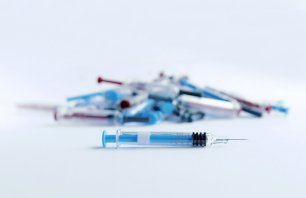
Biomedical waste is produced in more settings than many people realise, but what actually counts as biomedical waste in the UK?
This guide explains the term, how it compares with clinical waste and the key steps for managing it safely.


October 06, 2026
Biomedical waste is produced in more settings than many people realise, but what actually counts as biomedical waste in the UK?
This guide explains the term, how it compares with clinical waste and the key steps for managing it safely.
Biomedical waste is any waste produced during the diagnosis, treatment or care of people or animals, as well as waste generated through medical or laboratory research. It may contain infectious material, blood or bodily fluids, medicines, chemicals, sharps or biological substances that could pose a risk to people or the environment.
Common examples include used needles, contaminated dressings, laboratory cultures, anatomical waste and disposable protective equipment used during patient care.
However, not everything produced in a healthcare setting is classed as biomedical waste. Uncontaminated packaging, food waste and ordinary office materials may be suitable for other waste streams. Correct classification is therefore an important part of biomedical waste management, helping organisations separate potentially hazardous materials from general waste and ensure each item follows the appropriate treatment and disposal route.
Biomedical waste is often discussed alongside clinical waste, but the terms are not always used in exactly the same way. Understanding the distinction is particularly important for organisations operating under UK waste regulations.
Biomedical waste and clinical waste are often used interchangeably, as both describe waste produced through healthcare, treatment and laboratory activities. However, clinical waste is the term more commonly used in UK guidance and compliance documentation.
Biomedical waste is a broader, internationally recognised term that may cover infectious materials, sharps, anatomical waste, medicines and other biological waste. Clinical waste is more specifically defined by the risks it presents, such as infection, pharmaceutical contamination or injury.
Let’s take a closer look:
In practice, much of what is described as biomedical waste would be managed as clinical waste in the UK. Correct classification should be based on the contents and risks of the waste, rather than the terminology used to describe it.
The overlap between biomedical and clinical waste becomes clearer when looking at the types of materials included.
Biomedical waste can take many forms, depending on the setting and activity involved. Common examples include:
Used needles, syringes, scalpels and other sharps
Dressings, swabs and PPE contaminated with blood or bodily fluids
Laboratory cultures, samples and testing materials
Human or animal tissue and anatomical waste
Expired, unused or partially used medicines
Disposable medical equipment contaminated during treatment
Waste from veterinary care, dental procedures and invasive treatments

Not all waste from a healthcare setting is biomedical waste. Uncontaminated packaging, food waste, office paper and other general materials may be suitable for separate recycling or general waste streams.
The correct classification depends on the contents of the waste and the risks it presents. This helps ensure it is placed in the right container and sent for the appropriate treatment.
Biomedical waste is generated wherever medical care, testing, research or invasive treatment takes place. Common sectors include:
The type and volume of waste will vary between each setting. A hospital may produce a wide range of infectious, anatomical and pharmaceutical waste, while a dental practice or beauty clinic may primarily generate sharps and contaminated disposable items.
Once identified, biomedical waste must follow a suitable management process to protect staff, patients and anyone handling it after collection:
Effective biomedical waste management begins where the waste is produced. Organisations should assess the material and the risks it presents before selecting the correct waste stream.
The process generally involves:
Classifying the waste based on factors such as infection risk, medicinal contamination or the presence of sharps.
Separating it at the point of production to prevent different waste streams from being mixed.
Using the correct colour-coded bag or rigid container for the waste type and intended treatment.
Labelling and closing containers securely before they are moved or collected.
Storing waste safely in a designated area that prevents unauthorised access.
Arranging collection and treatment through an appropriately authorised waste provider.
Maintaining the required documentation to support traceability and duty-of-care responsibilities

There is no single container or disposal route for all biomedical waste.
Infectious materials, medicines, sharps and anatomical waste may each require different packaging and treatment. Correct segregation is therefore essential to ensure waste is handled safely and reaches the appropriate facility.
Organisations can refer to the GOV.UK guidance on managing healthcare waste for further information on classification, colour-coded packaging and treatment routes.
Biomedical waste may expose staff, patients, waste handlers and the public to infection, injury or hazardous substances when it is incorrectly segregated or disposed of.
Effective biomedical waste management can help organisations:
Reduce the risk of injury
Correct handling and segregation can help prevent needlestick injuries, cuts and accidental exposure to contaminated materials.
Limit the spread of infection
Proper segregation helps keep infectious waste out of general waste streams and reduces the risk of cross-contamination.
Protect staff, patients and waste handlers
Clear procedures and suitable containers help protect everyone who may come into contact with the waste.
Support legal and duty-of-care responsibilities
Accurate classification, documentation and secure storage help organisations demonstrate that waste is being managed responsibly.
Ensure waste receives the correct treatment
Different waste streams require different disposal methods, so correct segregation helps each type reach the appropriate treatment facility.
Avoid unnecessary disposal costs
Mixing non-hazardous materials with clinical waste can increase disposal volumes and lead to avoidable costs.
Safe biomedical waste disposal depends on correct segregation, secure storage and a reliable collection service. Stericycle supports healthcare and related organisations with fully trackable, end-to-end clinical waste management solutions.
By choosing Stericycle, organisations can benefit from:
More than 35 years of experience in the UK, supported by specialist knowledge of healthcare waste management
Nationwide service coverage, helping organisations manage waste across single or multiple UK locations
An end-to-end service, with Stericycle’s own collection fleet and dedicated waste treatment facilities
UN-approved clinical waste containers designed for the safe storage and transportation of different waste streams
Fully trackable and auditable collections, supporting waste documentation and duty-of-care requirements
A Great rating on Trustpilot, based on hundreds of customer reviews
From selecting suitable containers to arranging regular collections and appropriate treatment, Stericycle can help make biomedical waste management safer and simpler.
Learn more about Stericycle’s clinical waste disposal services and find the right solution for your organisation.