December 05, 2025
What Is Anatomical Waste & How To Manage It?
Anatomical waste is one of the most sensitive types of healthcare waste and must be handled with care, respect and full compliance. It includes any recognisable human or animal body parts that require safe disposal to protect both people and the environment.
In this guide, we’ll explain what anatomical waste is, why correct disposal matters, and how to manage it safely in line with UK healthcare regulations. You’ll also learn about bin colour coding and how Stericycle’s licensed services support compliant and responsible disposal across the UK.
What Is Anatomical Waste?
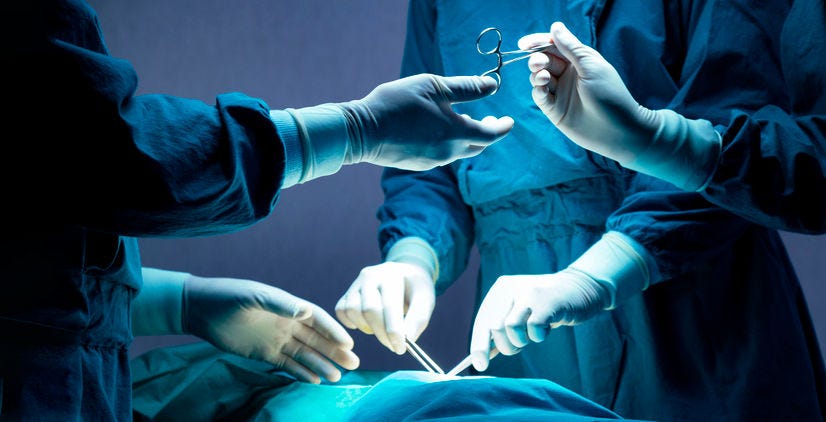
Anatomical waste refers to recognisable human or animal body parts, such as tissues, organs, and limbs that are removed during medical, surgical, or veterinary procedures. This type of waste is classed as hazardous due to its potential to cause infection and the sensitive nature of the material.
Anatomical waste is generated across a wide range of sectors, including hospitals, dental practices, veterinary clinics, laboratories, and research facilities, where clinical or surgical activities take place.
It differs from other types of clinical waste because it contains identifiable biological material, whereas general clinical waste (like dressings, swabs, or gloves) does not. For this reason, anatomical waste must always be segregated and disposed of separately, following strict guidelines under the Environmental Protection Act 1990 and HTM 07-01.
To manage this safely and compliantly, healthcare providers should partner with a licensed anatomical waste disposal specialist like Stericycle. Our anatomical waste disposal service ensures safe collection, transportation, and disposal through incineration - in line with all relevant UK regulations.
Before deciding how to store or dispose of anatomical waste, it’s important to understand exactly what materials fall under this category.
Examples of Anatomical Waste
Anatomical waste can come from many clinical, surgical and veterinary settings. It includes recognisable biological matter that must be handled and disposed of through incineration.
Common examples include:
Human tissues, organs and limbs removed during surgery
Placental or foetal material from maternity procedures
Post-mortem specimens from pathology or mortuary services
Biopsy samples taken for diagnostic testing
Animal tissue and carcasses from veterinary or laboratory work
Amputated body parts or tissue removed due to trauma or disease
Preserved anatomical specimens no longer required for study or research
Note: Items such as dressings, swabs, PPE and other contaminated materials are not classed as anatomical waste and should be placed in the appropriate clinical waste container.
Why Proper Anatomical Waste Disposal Matters
Anatomical waste requires careful handling because it poses both biological and ethical risks if not managed correctly. Failing to follow the proper disposal process can endanger staff, harm the environment and lead to non-compliance with UK healthcare regulations.
1. Compliance with legislation
Healthcare organisations are legally required to manage anatomical waste in line with the Environmental Protection Act 1990 and HTM 07-01. Proper segregation and incineration help avoid fines and reputational damage that can result from regulatory breaches.
2. Infection prevention
Anatomical waste can contain infectious materials that must be fully destroyed to eliminate risks to healthcare staff, patients and waste handlers. Using approved containers and secure collection processes prevents exposure or contamination.
3. Ethical and professional responsibility
Anatomical waste often contains identifiable human or animal material, which must be treated with dignity and sensitivity. Correct disposal through licensed providers like Stericycle, ensures respectful management and full traceability of waste streams.
4. Environmental protection
Using licensed incineration facilities prevents hazardous materials from entering landfill and ensures waste is treated safely. Some energy can also be recovered through controlled incineration, supporting more sustainable waste management practices.
Our anatomical waste disposal services offer secure collection, transportation and incineration in line with UK legislation, providing full traceability and peace of mind for healthcare professionals.
How Is Anatomical Waste Disposed Of?
Anatomical waste must be treated through high-temperature incineration, the only approved method under UK healthcare waste regulations. This ensures complete destruction of potentially infectious material and prevents any risk of contamination or misuse.
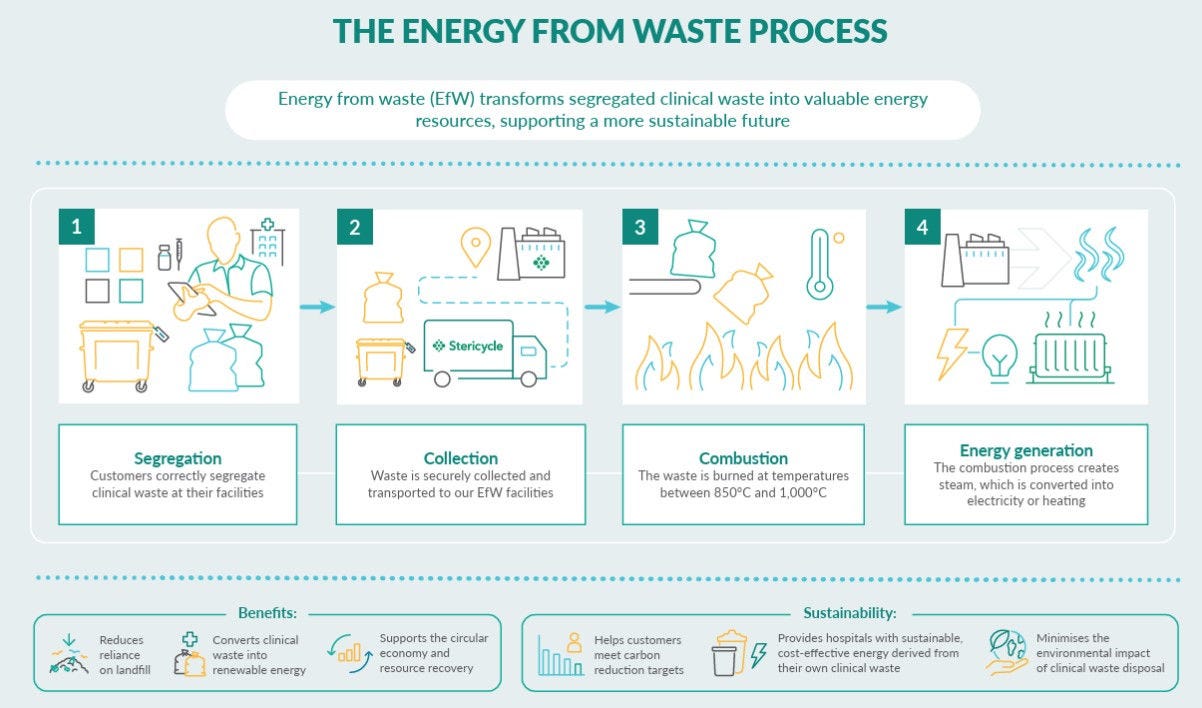
The disposal process typically follows these key steps:
1. Segregation at source
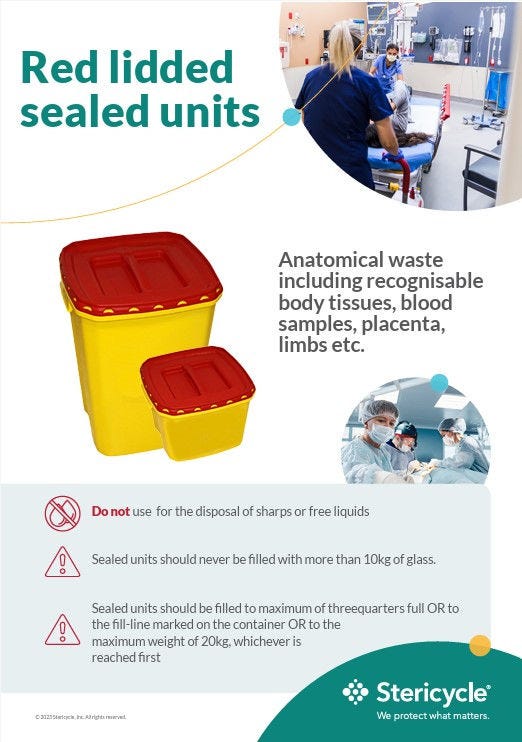
Anatomical waste is identified and separated from other waste types immediately after generation. It should be placed in dedicated red-lidded containers.
2. Safe storage and collection
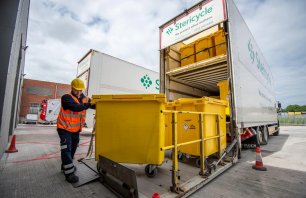
Containers are kept in secure, designated storage areas to prevent unauthorised access or cross-contamination. Licensed waste carriers like Stericycle then collect the waste on a scheduled basis, ensuring compliance with all transport regulations.
3. Transportation to authorised facilities
All collections are handled in line with the Carriage of Dangerous Goods Regulations (CDG 2009), with full tracking from the healthcare site to the treatment facility.
4. Incineration
At the facility, anatomical waste is incinerated at high temperatures.
How Stericycle Supports Safe Anatomical Waste Management
Managing anatomical waste safely requires full compliance, reliable collection and ethical disposal. Stericycle provides a complete solution designed for healthcare, laboratory and veterinary settings that generate this type of waste.
With a nationwide collection network and a fully licensed treatment infrastructure, Stericycle ensures that every stage, from on-site segregation to final incineration, meets UK healthcare waste legislation.
Customers benefit from:
Compliance assurance through traceable collection and disposal processes
Specialist containers, such as red-lidded sealed units for anatomical waste
Regular and reliable collections across the UK
Sustainability efforts, where residual heat from incineration is recovered for energy use
By partnering with a trusted provider like Stericycle, healthcare organisations can focus on patient care knowing their waste is handled safely and responsibly.